Understanding VR6 Engines: Striking the Ultimate Balance Between Performance and Economy
The VR6 engine stands out in the automotive world for its unique blend of capability and efficiency. With six cylinders arranged in a compact 'V' formation, it offers a distinct driving experience. This configuration not only improves acceleration but also maximizes fuel efficiency. However, what exactly sets the VR6 apart from traditional engines? Delving into its attributes and everyday applications exposes findings that may astound many.
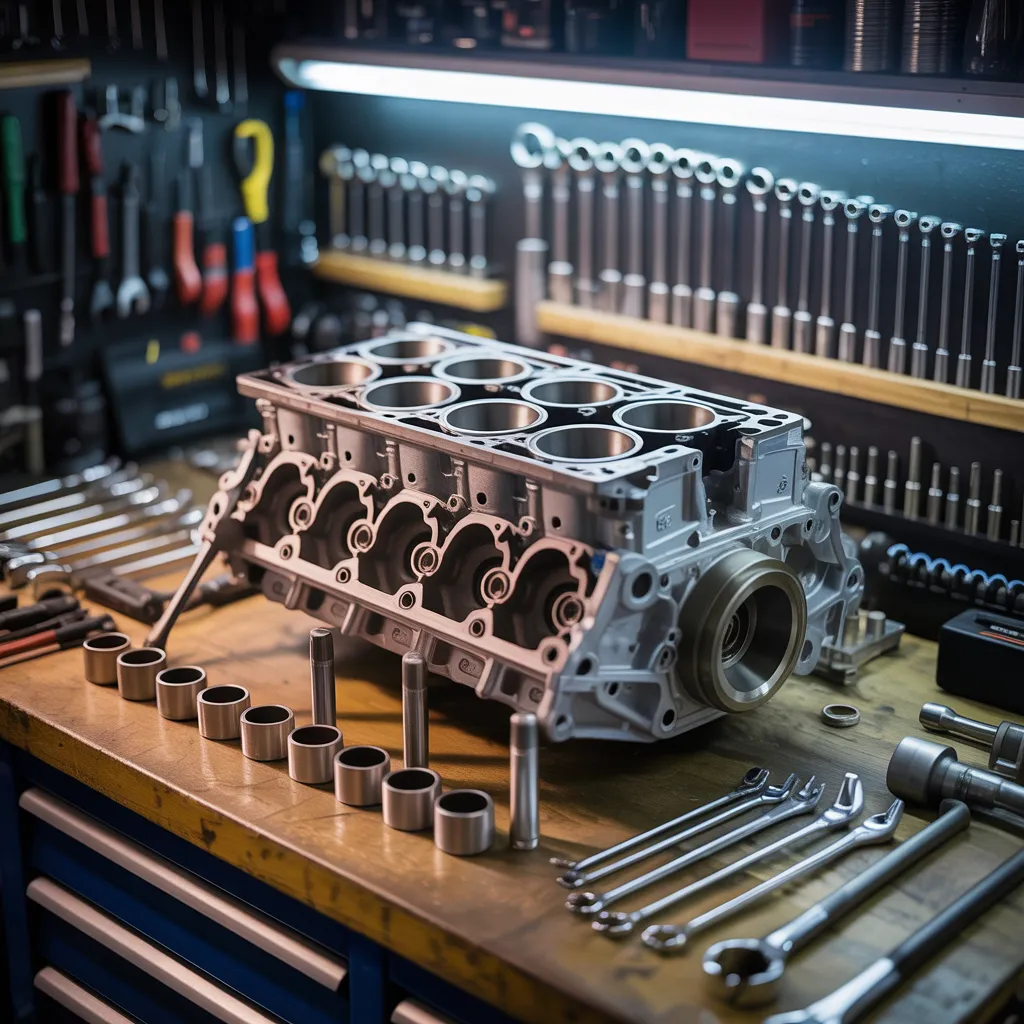
What Is a VR6 Engine and How Does It Work?
The VR6 powerplant, a distinctive arrangement in the automotive world, merges the features of a V6 and an inline engine. Engineered by Volkswagen in the late 1980s, it features a compact design that permits a more compact engine bay, making it suitable for various vehicle types. This engine is composed of six cylinders positioned in a 'V' shape though featuring a tighter angle, usually approximately 15 degrees. This arrangement leads to a more fluid operation and a decreased center of mass, enhancing vehicle stability.
The VR6 engine employs a unified cylinder head that accommodates both cylinder banks, reducing weight and complexity. It functions on a four-stroke operating cycle, offering a balance between power and efficiency. The engine's configuration facilitates exceptional torque output over an extensive RPM range, making it a popular choice for high-performance applications. Ultimately, the VR6 engine embodies an ingenious engineering achievement that addresses diverse automotive needs.
Unique Design Features of the VR6 Engine
Distinctive design characteristics define the VR6 engine, distinguishing it from traditional configurations. Among its most remarkable features is the compact V-angle arrangement, typically around 15 degrees, which enables a more streamlined design without sacrificing cylinder count. This layout allows the engine to accommodate tighter engine compartments, making it a versatile choice for various vehicles.
Moreover, the VR6 utilizes a one-piece cylinder head, which simplifies manufacturing and maintenance in contrast to traditional V6 engines that need two heads. This layout further improves the engine's total stiffness. The unique placement of the induction and exhaust assemblies results in improved aerodynamic performance, elevating power delivery.
Additionally, the VR6 boasts a distinctive firing order that generates a seamless power delivery, minimizing vibrations and improving overall driving performance. As a whole, these innovative characteristics support the engine's status of combining capability with economy.
What Makes VR6 Engines Perform So Well?
Many enthusiasts praise VR6 engines for their exceptional power capabilities, which arise from a mix of effective design and precision engineering. The unique configuration of the VR6 engine, featuring a tight-angle V configuration, enables a compact size while maintaining six cylinders. This design improves power output and improves torque, allowing VR6 engines highly capable across a broad RPM spectrum.
Furthermore, the engine's balance is responsible for more refined operation, minimizing vibrations that may diminish the driving experience. The inclusion of modern technological innovations, such as turbocharging and variable valve timing in some models, greatly boosts power output without sacrificing dependability.
Furthermore, the VR6's fundamental design limits weight, allowing for better maneuverability and responsiveness in vehicles. This blend of characteristics yields a powertrain that not only generates potent acceleration but also a exciting driving experience, making VR6 engines a favorite among performance enthusiasts.
VR6 Engine Fuel Consumption Compared
The fuel efficiency of VR6 motors varies across different models and configurations. Variables like the motor size and driving circumstances heavily affect general gas mileage. Knowing these factors may offer a clearer picture of the real-world usability of VR6 motors for daily driving.
Fuel Efficiency Comparisons
How do VR6 engines compare in fuel efficiency to other comparable configurations? The VR6 engine commonly provides a remarkable equilibrium between performance and fuel economy relative to inline-six and V8 engines. Even though standard inline-six engines can offer somewhat greater efficiency because of their architecture, the VR6's condensed configuration facilitates weight reduction and more practical vehicle packaging. By contrast, V8 engines commonly compromise on fuel economy in favor of enhanced power delivery. In practical terms, many VR6-equipped vehicles achieve respectable miles per gallon, making them an attractive option for those seeking performance without overly compromising on fuel efficiency. Overall, the VR6 engine maintains a competitive edge in the performance segment, appealing to drivers who prioritize both power and efficiency.
Impact of Engine Size
Even though engine size has a considerable impact on fuel efficiency, the VR6 engine offers a unique practical guide blend of performance and economy. Typically, larger engines consume more fuel, but the VR6's efficient design contributes to decreased weight and better aerodynamic performance. This setup allows the engine to produce significant power while minimally affecting fuel economy. By utilizing a narrow-angle V-design, the VR6 preserves a harmony between capability and form factor, enabling it to match larger engines in performance while delivering improved miles per gallon in multiple scenarios. Consequently, the VR6 engine demonstrates that innovative engineering can lead to effective fuel management, making it an attractive option for those seeking both power and efficiency in their vehicles.
Driving Conditions Effects
While numerous road conditions can significantly affect fuel efficiency, the VR6 engine showcases remarkable adaptability across different environments. In urban settings, repeated acceleration and braking may lead to reduced efficiency; however, the VR6's engineering facilitates peak performance even in these scenarios. Conversely, on highways, the engine demonstrates its power by sustaining greater velocities with lower fuel expenditure, owing to its well-calibrated power and torque distribution. Environmental conditions, such as frigid weather, can also impact fuel economy, but the VR6's design compensates by ensuring stable operation. In summary, the VR6 engine's versatility permits it to sustain reliable gas mileage, establishing it as a reliable choice for varied road environments, from metropolitan driving to open highways.
Popular Cars Equipped with the VR6 Powerplant
The VR6 engine has left a lasting impression in the automotive world, propelling a range of celebrated models throughout various automakers. Volkswagen is arguably the most closely associated with the VR6, featuring it in iconic vehicles such as the Golf and the Passat. The performance-oriented Volkswagen Corrado also demonstrated this motor, attracting driving enthusiasts with its impressive performance. Audi, also part of the Volkswagen Group, incorporated the VR6 into models including the Audi A4 and A6, showcasing a fusion of elegance and capability.
In addition, the VR6 engine made its presence known in some vehicles from competing automakers, such as the Dodge Stealth and the Mitsubishi 3000GT, both of which utilized its unique configuration for superior driving dynamics. Taken as a whole, the broad capabilities and engineering strengths of the VR6 have made it a sought-after choice in numerous areas of the automotive industry.
Key Maintenance Guidelines for VR6 Owners
For those who own a VR6, routine maintenance is essential to guarantee the engine operates smoothly and efficiently. Key maintenance tips include adhering to the manufacturer's suggested oil change intervals, usually ranging from 5,000 to 7,500 miles, utilizing top-grade synthetic oil. Checking coolant levels regularly is also crucial, as VR6 engines are susceptible to overheating if the cooling system fails to receive adequate attention.
Routinely examining the timing chain and tensioner is necessary due to their critical role in engine performance. Owners should replace the air filter and spark plugs based on the service schedule to ensure peak combustion. Furthermore, checking for vacuum leaks and maintaining the fuel system can prevent performance issues.
Finally, periodic examination of hoses and belts can prevent unexpected breakdowns. By implementing these critical maintenance practices, owners of VR6 vehicles can boost the lifespan and reliability of their engines, improving both overall performance and efficiency.
VR6 Engines Compared Against Inline and V-Type Alternatives
When examining VR6 engines against inline and V-type configurations, it becomes clear the exceptional design that sets the VR6 apart. The VR6 configuration combines the advantages of both inline and V-type motor designs, delivering a space-saving design without giving up power. It usually possesses a reduced angle between the cylinder banks, allowing for a shorter overall length, which is especially valuable in compact engine compartments.
In contrast, inline engines offer uncomplicated construction and effortless servicing, while V-configuration engines tend to outperform in power output and smoothness as a result of their increased displacement and structural balance. That said, VR6 engines find a middle ground between both layouts, offering robust mid-range torque and a characteristic engine tone.
Ultimately, in the end, when all is considered, at the end of the day the selection among these engine options generally reflects personal preference, driving style, and individual performance demands Each engine configuration has its merits, but the VR6 stands out for its blend of efficiency and performance
Firsthand Accounts: What Fans Are Saying About the VR6
Owners regularly exchange different perspectives with VR6 engines, highlighting their performance capabilities and unique characteristics. Several drivers praise the equilibrium between output and regular drivability, while others note specific reliability and maintenance concerns. These insights provide a thorough view of the VR6's reputation among automotive aficionados.
Performance Enthusiast Perspectives
A great many performance lovers talk enthusiastically about the remarkable qualities of the VR6 engine, often highlighting its distinctive exhaust note and agile performance delivery. Such enthusiasts value the engine's seamless rev range and substantial torque, which contribute to a thrilling driving experience. A significant number of drivers mention that the compact design allows for better weight distribution, improving driving dynamics in a wide range of models, especially VW and Audi platforms. Enthusiasts also note the engine's customization possibilities, supported by an extensive range of performance parts. Furthermore, the combination of performance and fuel economy is commonly praised, making it a versatile choice for both spirited driving and everyday use. In summary, the VR6 remains deeply cherished among drivers who seek a harmony of power and personality.
Everyday Driving Notes
Satisfaction consistently characterizes the everyday driving moments of drivers who operate a VR6 engine. Drivers regularly commend the engine's smooth power delivery, which delivers a fluid blend of torque and acceleration. Several owners mention that the distinctive growl of the VR6 elevates their time behind the wheel, making everyday journeys feel more engaging. The engine's impressively streamlined build enables nimble control, delivering a responsive ride in urban environments. Furthermore, drivers appreciate its flexibility, delivering strong results in spirited driving scenarios as well as daily commutes. Economy at the pump, while not its primary focus, is often noted as reasonable, maintaining a harmony that complements regular use. Overall, VR6 drivers frequently communicate a deep sense of satisfaction, emphasizing the engine's unique characteristics.
Durability and Maintenance Perspectives
The VR6 engine has built a reputation for reliability among its owners, often emphasized in discussions about long-term ownership journeys. Numerous owners report minimal issues over extensive mileage, attributing this longevity to robust engineering and quality components. Routine maintenance is critical, and owners emphasize the significance of sticking to service intervals for oil changes and timing belt services.
Though some drivers mention minor problems, including coolant system leaks or sensor malfunctions, these are generally considered manageable. Community discussions regularly feature VR6 engines reaching beyond 200,000 miles with diligent upkeep. In general, enthusiasts agree that through consistent maintenance, the VR6 provides both power and dependability, establishing it as a preferred choice across numerous applications.
Frequently Asked Questions
How Does the VR6 Engine Compare to Turbocharged Engines?
The VR6 engine offers a unique blend of efficiency and refined performance, whereas turbocharged motors generally offer greater torque output and fuel efficiency. Each has distinct advantages, catering to varying tastes in engine performance and the overall driving experience.
What Are Typical Issues Found in VR6 Engines?
Frequent concerns with VR6 engines encompass oil leaks, timing chain tensioner failures, and overheating problems. Additionally, the intake manifold can develop vacuum leaks, impacting performance and efficiency, demanding regular maintenance for ideal operation.
Is It Possible to Modify a VR6 Engine for Additional Power?
Yes, a VR6 engine can be upgraded for enhanced output. Frequent modifications encompass overhauling the intake and exhaust components, reprogramming the ECU, and adding forced induction, all of which improve performance without compromising reliability.
How Long Can a VR6 Engine Last?
The longevity of a VR6 engine commonly extends from 150,000 to 200,000 miles, depending on maintenance routines, road conditions, and engine modifications. Consistent care can maximize its durability, while neglect may greatly reduce its operational life.
Do VR6 Engines Work Well for Daily Driving?
Yes, VR6 engines are ideal for regular daily use. These engines offer a blend of performance and comfort, supplying sufficient power for everyday city travel while sustaining fuel efficiency, making them a practical choice for everyday use.